

Threat actors are not waiting for you to catch up. IBM's 2026 Cost of a Data Breach report puts the average breach cost at $4.88 million — and organizations with mature threat intelligence programs detect and contain incidents 28 days faster than those flying blind. That is not a soft benefit. That is the difference between a contained incident and a front-page disaster.
Yet most security teams still conflate threat intelligence with a feed subscription. Paste some IOCs into your SIEM, call it a day. That is not threat intelligence. That is alert noise with extra steps.
A proper threat intelligence platform — abbreviated TIP — is an operationalized system that ingests, normalizes, enriches, correlates, and disseminates threat data across your entire security stack. This guide breaks down what that actually means, which platforms are worth your budget in 2026, and how to avoid the procurement mistakes that plague most enterprise security teams.
What Is a Threat Intelligence Platform, Actually?
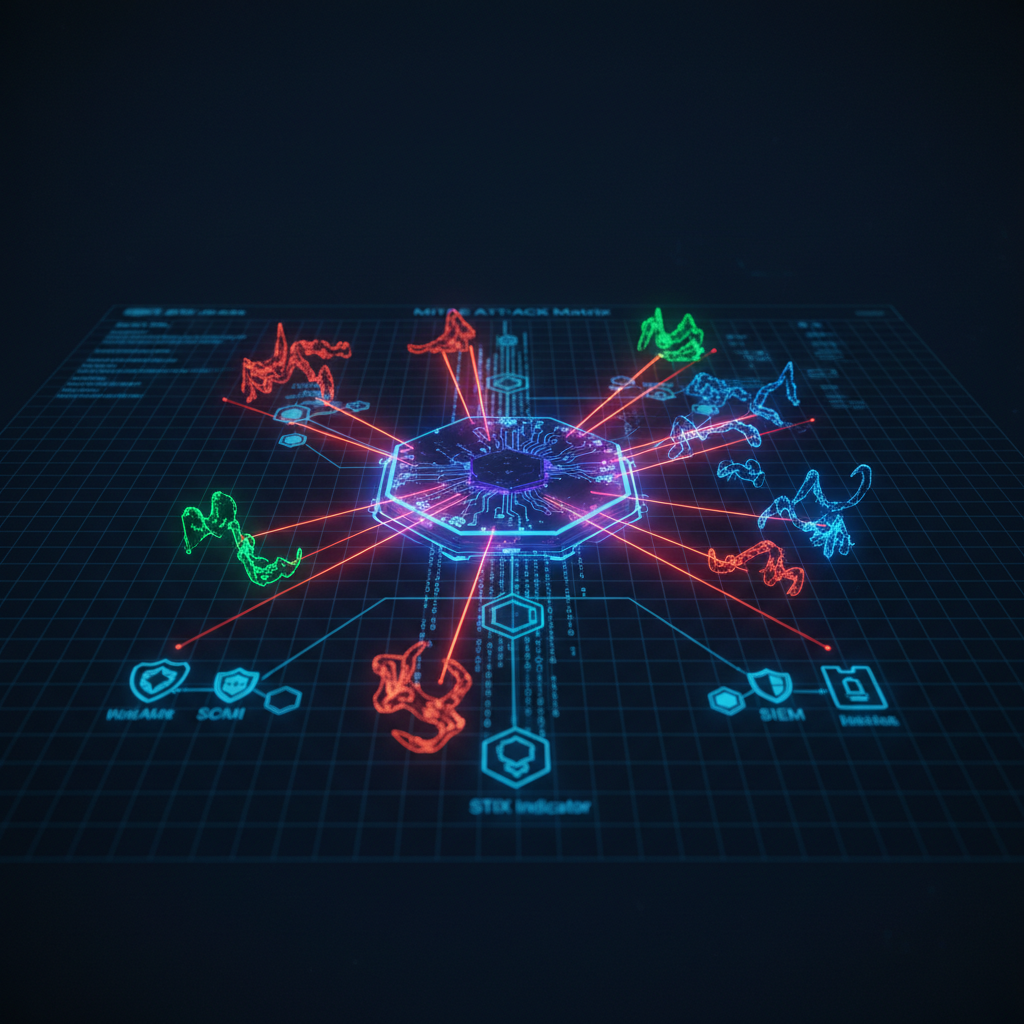
Strip away the marketing. A cyber threat intelligence platform does five things well: collects data from multiple sources (OSINT, commercial feeds, ISACs, internal telemetry), normalizes it into a common format like STIX/TAXII, enriches indicators with context (is this IP linked to APT29? Which MITRE ATT&CK technique does this malware use?), correlates signals against your environment, and pushes actionable intelligence to the tools that can act on it — firewalls, EDR, SOAR, SIEM.
The keyword there is actionable. A TIP that generates beautiful threat reports nobody reads is a compliance checkbox, not a security control.
TIP vs. SIEM vs. SOAR: Clearing Up the Confusion
Security architects spend a lot of time untangling this. Here is the short version: your SIEM collects and correlates log events. Your SOAR orchestrates response playbooks. Your TIP provides the context that makes both of those tools smarter. When your SIEM fires an alert on a suspicious outbound connection, the TIP tells you whether the destination IP is associated with Lazarus Group C2 infrastructure or just a misconfigured cloud bucket. That context changes everything about how you respond.
They are complementary, not competing. Any vendor telling you their SIEM replaces your need for a TIP is selling you short.
Core Capabilities Every TIP Needs in 2026
The threat intelligence platform market has matured significantly since 2022. Gartner's 2026 Market Guide for Security Threat Intelligence Products and Services highlights a shift: buyers increasingly demand platforms that go beyond passive IOC management and into active threat exposure management. Here is what separates a modern TIP from a legacy feed aggregator:
Automated IOC Lifecycle Management
IOCs expire. An IP address that was weaponized by a ransomware group six months ago might now be hosting legitimate traffic. Platforms that do not automatically age out stale indicators create false positive inflation that destroys analyst trust. Look for configurable TTL (time-to-live) policies and confidence scoring that auto-decays indicators over time.
MITRE ATT&CK Integration
This is non-negotiable in 2026. Every TIP worth evaluating should map threat actor TTPs to MITRE ATT&CK techniques automatically. If you are doing this manually, you are burning analyst hours on work that should be automated. The real value is being able to ask: which ATT&CK gaps in my detection coverage align with the techniques used by threat actors targeting my industry?
Multi-Source Feed Normalization
You will ingest data from OSINT sources (AlienVault OTX, VirusTotal, Shodan), commercial feeds (Recorded Future, Mandiant, CrowdStrike Falcon Intelligence), government sources (CISA, NCSC, sector-specific ISACs), and your own internal telemetry. All of these speak different formats. The TIP needs to normalize everything into STIX 2.1 without losing fidelity. Platforms that do this poorly create data quality nightmares downstream.
Bidirectional Integrations
A TIP that only receives intelligence is half a platform. The best implementations push enriched indicators directly into your SIEM (Splunk, Microsoft Sentinel), EDR (CrowdStrike Falcon, SentinelOne), firewall (Palo Alto, Fortinet), and SOAR platforms. When that loop is automated, your mean time to block drops dramatically. Some teams report blocking new IOCs within minutes of ingestion versus hours when the process is manual.
Threat Actor and Campaign Tracking
Beyond IOCs, you need actor profiles. Who is APT41? What industries are they targeting right now? What has changed in their TTPs since last quarter? Platforms like Recorded Future and Mandiant Advantage have deep actor-tracking capabilities built in. Smaller platforms often rely on you enriching this context manually — which does not scale.
Top Threat Intelligence Platform Vendors in 2026
The vendor landscape has consolidated somewhat, but there is still meaningful variation in where different platforms excel. Here is an honest breakdown:
Recorded Future
Still the market leader for enterprise-scale threat intelligence. Their AI-driven analyst portal is genuinely impressive — natural language queries against a massive proprietary dataset, real-time dark web monitoring, and a vulnerability intelligence module that integrates EPSS scores with threat actor exploitation data. Expensive. Worth it if you have the SOC maturity to operationalize it.
Mandiant Advantage (Google Cloud)
Post-Google acquisition, Mandiant intelligence is baked into Google Cloud's broader security portfolio. The threat actor tracking is unmatched — they investigated half the major APT campaigns of the last decade. If your threat model includes nation-state actors, this is a serious contender. Integration with Chronicle (Google's SIEM) is seamless; everything else requires more work.
CrowdStrike Falcon Intelligence
If you are already running CrowdStrike EDR, Falcon Intelligence is a natural extension. The integration is tight, actor attribution is solid, and the adversary intelligence reports are actionable rather than academic. The limitation: it is most powerful inside the CrowdStrike ecosystem. Standalone, it is less competitive.
ThreatConnect
Strong on the orchestration side. ThreatConnect's CAL (Collective Analytics Layer) enables automated scoring and enrichment at scale, and their Playbooks feature bridges TIP and SOAR functionality. Good choice for teams that want a single platform handling both intelligence management and response orchestration.
MISP (Open Source)
For teams with tight budgets and strong engineering resources, MISP (Malware Information Sharing Platform) is the gold standard for threat intelligence platform open-source implementations. It handles STIX/TAXII natively, has a massive community of contributors, and supports complex correlation rules. The catch: you will spend significant time on deployment, maintenance, and building integrations. It is a platform, not a product — and that distinction matters operationally.
OpenCTI
A newer open-source option that has gained significant traction. OpenCTI's graph-based knowledge model is excellent for visualizing relationships between threat actors, campaigns, and indicators. It integrates natively with MISP, making them a common pairing. Less mature than MISP for IOC management, but superior for structured threat knowledge management.
Threat Intelligence Platform Gartner Coverage: What the Analysts Are Saying
Gartner no longer publishes a Magic Quadrant specifically for standalone TIPs — they folded much of this coverage into the Security Operations market and the broader Cyber Threat Intelligence Products and Services category. The key insight from Gartner's 2026 guidance: the market is moving toward threat exposure management. TIPs that focus purely on IOC management are losing relevance. Platforms that connect threat intelligence to asset exposure, vulnerability risk, and attack surface data are winning deals.
This aligns with what we see on the ground. Teams that get real value from their TIP investment are the ones who have connected it to their vulnerability management workflow — so when a new CVE drops, they immediately know whether any threat actors are actively exploiting it and which assets in their environment are exposed.
Integrating TIP With Your Broader Security Stack
A TIP sitting in isolation is an expensive intelligence report generator. The value multiplies when you integrate it properly. Here is where the connections matter most:
Vulnerability Management Integration
Map incoming exploitation intelligence against your scanner results. Prioritize patching based on active threat actor exploitation, not just CVSS scores. EPSS scores help here, but threat actor targeting data from your TIP provides the final contextual layer. For teams using cloud-native scanning, connecting threat intelligence to VM scans creates a powerful prioritization loop.
Cloud Security Integration
Cloud environments introduce unique threat intelligence challenges. Misconfigurations, exposed APIs, and lateral movement paths look different in AWS, Azure, and GCP than on-premises. Your TIP should be informing your cloud security posture — feeding IOCs related to cloud-specific attack techniques into your detection rules.
Code Security and Supply Chain Intelligence
Software supply chain attacks are a primary threat vector in 2026. Threat intelligence should feed into your code security tooling, flagging malicious packages, compromised dependencies, and known-bad repositories before they land in your build pipeline.
Secret Detection and Credential Intelligence
Leaked credentials are among the highest-signal indicators available. TIPs that monitor paste sites, dark web forums, and breach databases for your organization's credentials provide early warning before those credentials are weaponized. This intelligence should directly trigger your secret detection workflows — rotating secrets, alerting developers, invalidating tokens.
Building a Threat Intelligence Program, Not Just Buying a Platform
This is where most organizations fail. They buy a TIP, get overwhelmed by the data volume, and end up using 20% of the platform's capabilities. Technology without process is just expensive shelf space.
A functional threat intelligence program requires three things beyond the platform itself: defined intelligence requirements (what questions does your security program need answered?), analyst resources with the skills to do level 2 and level 3 intelligence analysis, and integration into your incident response and vulnerability management workflows so intelligence actually drives action.
Start with your crown jewels. What are the five assets that, if compromised, would be catastrophic for your business? Build your intelligence collection plan around the threat actors and techniques most likely to target those assets. That is a fundamentally different approach than ingesting every available feed and hoping something relevant surfaces.
Intelligence Requirements Planning
Spend time defining Priority Intelligence Requirements (PIRs) before you evaluate a single vendor. PIRs force specificity: instead of wanting to know about threats in general, you are asking which APT groups are currently targeting financial services firms using supply chain compromise techniques and what indicators you should be hunting for. That question can be answered.
Key Evaluation Criteria When Choosing a TIP
When you are running a formal evaluation — whether it is a Gartner-guided process or your own RFP — here are the criteria that actually matter:
- Feed quality and freshness: How quickly does the platform incorporate new intelligence? Is the data curated or raw?
- STIX/TAXII compliance: Non-negotiable for interoperability with your existing stack
- Integration depth: Native connectors to your SIEM, EDR, and firewall versus generic REST API
- False positive management: What mechanisms exist to suppress noise and improve signal quality over time?
- Analyst UX: If your analysts dislike using it, they will not. Platform adoption is a real risk.
- Reporting and dissemination: Can you produce executive-ready reports without rebuilding everything in a slide deck?
At SecRails, we have seen firsthand how connecting threat intelligence to continuous cloud posture monitoring transforms security operations from reactive to genuinely proactive. The teams getting the most value are not necessarily running the most expensive platforms — they are the ones who have done the hard work of connecting intelligence to their actual remediation workflows.
The Bottom Line on Threat Intelligence Platforms in 2026
The TIP market is mature, but the gap between organizations that use these platforms well and those that do not is widening. Recorded Future and Mandiant lead on intelligence depth. MISP and OpenCTI provide viable open-source paths for teams with engineering capacity. The real differentiator is not the platform you choose — it is whether you have built the processes, integrations, and analyst workflows to actually operationalize the intelligence.
If you are evaluating TIPs right now, start with your intelligence requirements, map them to your existing stack's integration capabilities, and pilot two or three options with real data before committing. The platforms that look best in demos are not always the ones that perform best when connected to your actual environment. Invest the time upfront. Your future incident responders will thank you.